

As a truck driver or fleet owner, you understand that effective communication is the backbone of successful dispatch operations. Every decision you make, from planning routes to handling unexpected delays, depends on clear and timely information.
Here’s why communication is so important in dispatch operations:
1. Improved Efficiency

- Clear instructions: When dispatchers provide clear and concise instructions, drivers can complete their tasks more efficiently, reducing downtime and fuel costs.
- Real-time updates: Real-time updates on traffic, weather, and customer changes allow drivers to adjust their routes and schedules accordingly.
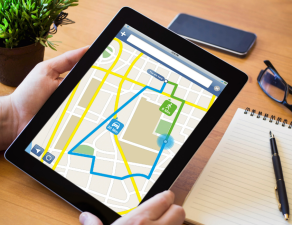
- Optimized routes: Effective communication ensures that routes are optimized, the mileage is reduced and you are saving fuel. reducing mileage and saving fuel.
2. Enhanced Safety

- Hazard alerts: Dispatchers can warn drivers of potential hazards on the road, such as accidents, road closures, or adverse weather conditions.
- Emergency response: In case of emergencies, clear communication channels allow for a quick and coordinated response.
- Compliance with regulations: Dispatchers can help drivers stay compliant with hours-of-service regulations by providing timely reminders and scheduling breaks.
3. Better Customer Service

- Accurate ETAs: Clear communication between dispatchers and drivers ensures that customers receive accurate estimated time of arrivals (ETAs).
- Proactive communication: Dispatchers can proactively communicate with customers about any delays or changes in the delivery schedule.
- Increased customer satisfaction: By providing excellent customer service, you can build strong relationships with your customers and increase your chances of repeat business.
4. Stronger Driver Relationships

- Open communication: Open and honest communication between dispatchers and drivers fosters trust and respect.
- Support: Dispatchers can provide support and guidance to drivers, especially when they encounter challenges on the road.
- Improved morale: Good communication can boost driver morale and make them feel valued.
Tips for Effective Communication
- Use clear and concise language: Avoid jargon and technical terms that drivers may not understand.
- Be specific: Provide clear and specific instructions.
- Use multiple communication channels: Utilize a combination of phone calls, text messages, and email to ensure that messages are received.
- Document all communications: Keep a record of all communications for future reference.
- Encourage feedback: Create an open environment where drivers feel comfortable providing feedback.
By prioritizing communication, you can improve the efficiency and safety of your operations, enhance customer satisfaction, and build stronger relationships with your drivers.





Write a comment: